
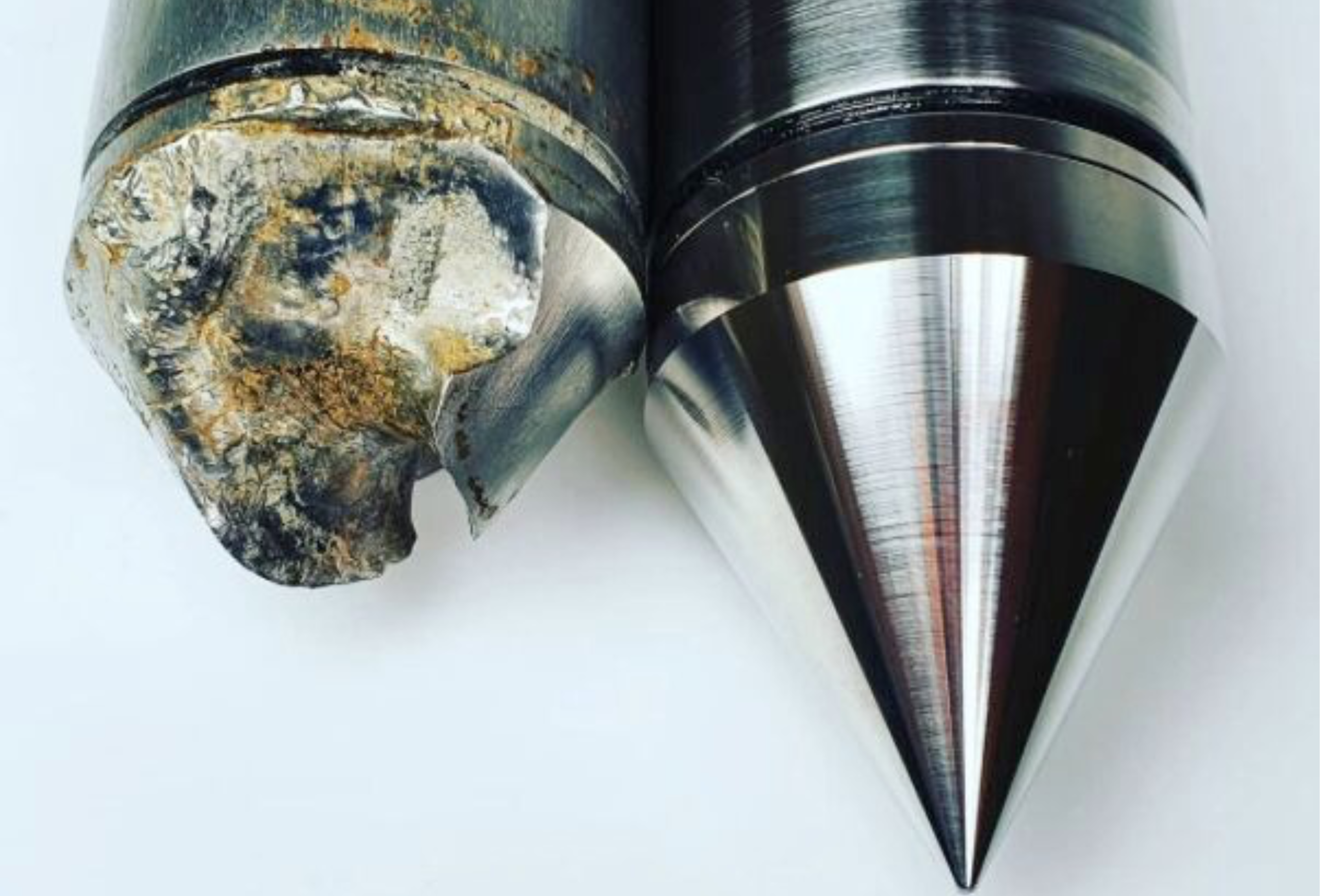
A CPT cone striking an underground electricity cable is a serious reminder of why proper preparation matters before soil investigation begins.
Underground cables, pipelines and buried objects can present significant risks during Cone Penetration Testing (CPT). Understanding what lies beneath the surface is therefore an essential part of planning safe and reliable field operations.
Preparation before CPT testing
In the Netherlands, a KLIC notification provides information about underground cables and pipelines at a planned work location. This information is an important starting point for identifying potential hazards before work begins.
However, drawings and records do not always provide a complete picture of actual underground conditions.
Additional site investigations, including appropriate subsurface scanning methods, can help identify potential obstacles and reduce the risk of damaging underground infrastructure.
Monitoring during testing
Once CPT or CPTU testing begins, reliable instrumentation and real-time data acquisition provide operators with valuable insight into the testing process.
Gouda Geo-Equipment supplies digital CPT instrumentation, dataloggers and software that allow operators to monitor measurements as they are recorded.
This helps operators assess test behaviour and recognise unusual readings. However, real-time monitoring does not replace proper preparation or provide a guarantee that underground obstacles will be detected.
At Gouda Geo, we believe reliable soil investigation combines careful planning, suitable equipment and informed decisions in the field.
Because safe CPT operations begin long before the cone enters the ground.